Nyepi, known as Bali’s Day of Silence, is one of the world’s most unique cultural and spiritual celebrations. For one full day, the entire island pauses for silence, self-reflection and spiritual cleansing. Streets are empty, businesses close and even Bali’s international airport stops operating.
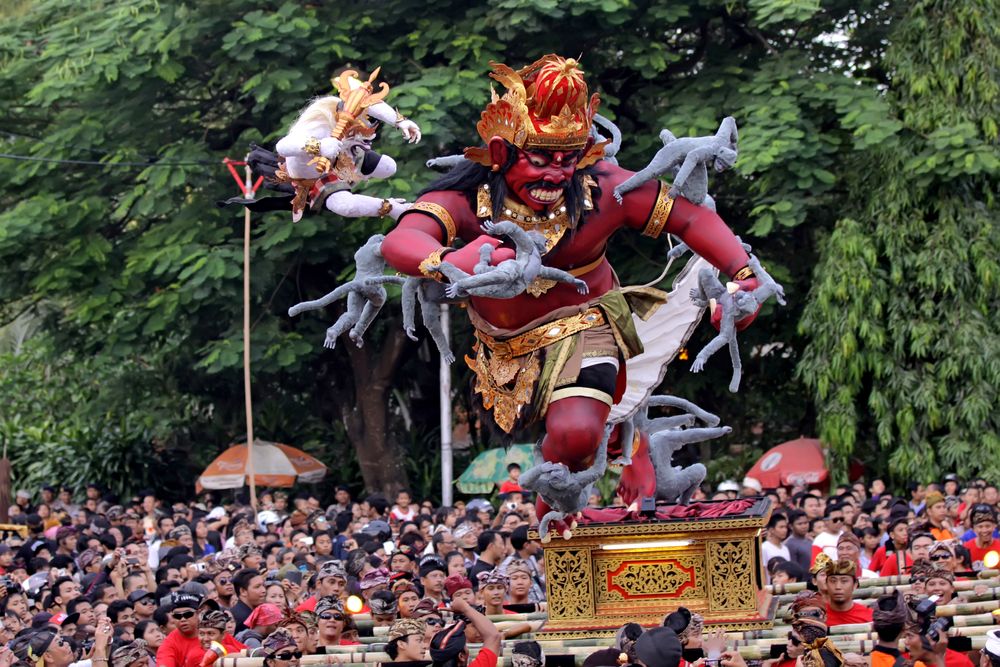
The stillness of Nyepi follows the energy and excitement of Nyepi Eve, when villages across Bali hold colourful Ogoh-Ogoh parades.
For visitors, Nyepi offers an unforgettable Balinese cultural experience and a rare opportunity to witness the entire island in almost complete silence.
What Is Nyepi Day?
Nyepi is the Balinese Hindu New Year, based on the Saka calendar. Its date changes each year according to the lunar calendar.
The word Nyepi comes from the Indonesian word menyepi, meaning to withdraw into quiet or solitude. It originates from sepi, meaning quiet or silence.
This reflects the purpose of Nyepi: stepping away from everyday activity for silence, self-reflection and spiritual renewal.
From 6am on Nyepi morning until 6am the following day, Bali observes four main restrictions:
- No fire or bright lights – Amati Geni
- No work – Amati Karya
- No entertainment or pleasure – Amati Lelanguan
- No travel – Amati Lelungan
Although Nyepi is a Balinese Hindu holy day, tourists and non Hindu residents must also follow the restrictions.
Pecalang, Bali’s traditional village security officers, patrol local areas to help ensure the rules are respected. Emergency services are permitted to operate when required.
When Is Nyepi in Bali in 2027?
Nyepi in 2027 falls on Tuesday, 9 March 2027, marking the beginning of the Balinese Hindu New Year, Saka 1949.
The Day of Silence begins at approximately 6:00am on 9 March and finishes at 6:00am on 10 March 2027.
Ogoh-Ogoh parades will take place on Nyepi Eve, Monday, 8 March 2027.
Ceremonies and Rituals Before Nyepi
Nyepi is the culmination of several important ceremonies held during the days leading up to the Day of Silence.
Melasti: The Purification Ceremony
Several days before Nyepi, villages across Bali perform Melasti, a purification ceremony during which sacred temple objects are carried in large processions to the sea or another source of holy water.
These ceremonies symbolise cleansing the island and its people of spiritual impurities before the beginning of the new year.
Seeing hundreds of Balinese people dressed in traditional white ceremonial clothing and walking together towards the ocean is a spectacular sight.
You can learn more in our guide to Melasti Day in Bali.
Ogoh-Ogoh Parades on Nyepi Eve
On the evening before Nyepi, villages across Bali hold vibrant Ogoh-Ogoh parades.
Ogoh-Ogoh are large, intricately constructed statues representing negative forces, undesirable characteristics and the chaos that can disturb human life. They are carried through village streets accompanied by gamelan music and traditional performances.
The deeper message behind Ogoh-Ogoh is simple but powerful:
Before we can find peace, we must let go of the chaos.
The negative forces represented by the Ogoh-Ogoh are confronted on Nyepi Eve before Bali enters the silence and reflection of Nyepi Day.
Visitors can explore the streets during the day to see the statues up close and watch the final preparations before returning for the evening parade.
Watching an Ogoh-Ogoh Parade in Ubud
Ubud’s main Ogoh-Ogoh parades can become extremely busy. The surrounding villages generally attract fewer visitors and may offer a more comfortable and genuine local experience.
We recommend arriving around sunset to find a suitable viewing position before the parade begins.
Ask your accommodation for advice about nearby parades and choose one within walking distance whenever possible. Roads can become congested or close completely once the celebrations begin.
Plan Your Travel Around Nyepi
Most businesses close early on Nyepi Eve as local staff return to their villages and prepare for ceremonies.
Roads may become congested or closed for Ogoh-Ogoh parades, making travel increasingly difficult as the day progresses.
Plan to:
- Prebook transport for the days immediately before and after Nyepi.
- Avoid changing hotels on Nyepi Eve if possible.
- Complete any essential travel early in the day.
- Buy food, drinks and other supplies in advance.
- Ask restaurants and shops when they plan to close.
- Choose an Ogoh-Ogoh parade within walking distance.
- Confirm Nyepi arrangements directly with your accommodation.
Bali’s airport closes during the Day of Silence, and flights do not arrive or depart during the Nyepi period.
The Day After Nyepi: Ngembak Geni or Nyepi Manis
The day after Nyepi is known as Ngembak Geni, meaning “relighting the fire.”
After a full day of silence and reflection, families and friends visit one another, ask for forgiveness and welcome the new year with harmony and goodwill.
Activity gradually returns to Bali, although some businesses may remain closed or operate reduced hours while staff spend time with their families. This is still considered a holidays for Balinese people so small businesses will remained closed.
Ubud Traveler’s 10 Local Tips for Experiencing Nyepi
- Look for Melasti purification ceremonies during the days before Nyepi.
- Walk around Ubud and the surrounding villages during the day on Nyepi Eve to see the finished Ogoh-Ogoh statues.
- Arrive at your chosen parade around sunset.
- Choose a parade within walking distance because roads may be congested or closed.
- Consider a smaller parade outside central Ubud for fewer crowds and a more genuine local experience.
- Dress respectfully. Short shorts and revealing clothing are not appropriate at Ubud’s parades.
- Allow Balinese participants to stand or walk in front of you, as many have ceremonial responsibilities.
- Prebook any required transport for the days before and after Nyepi.
- Buy food, drinks and essential supplies early, particularly if you are staying in a private villa.
- Don’t miss the incredible stargazing on Nyepi night when there is almost no light pollution.
Frequently Asked Questions About Nyepi in Bali
What date is Nyepi in Bali in 2027?
Nyepi falls on Tuesday, 9 March 2027. The Day of Silence is observed from approximately 6:00am on 9 March until 6:00am on 10 March 2027.
When are the 2027 Ogoh-Ogoh parades?
Ogoh-Ogoh parades take place on Nyepi Eve, Monday, 8 March 2027. We recommend arriving around sunset.
Can tourists go outside during Nyepi?
No. Tourists must remain within their accommodation during Nyepi. Streets, beaches and other public areas are closed.
Can I travel or change hotels on Nyepi Day?
No. Regular transport does not operate during Nyepi, and visitors cannot travel between accommodations. Arrange to stay in the same accommodation for the entire Day of Silence.
Where should I stay during Nyepi?
Choose your accommodation carefully because you must remain there throughout Nyepi. Hotels and resorts may provide meals and limited use of their facilities. If staying in a private villa, confirm what services will be available and purchase food and drinks in advance.
What time do businesses close before Nyepi?
Many businesses close around lunchtime on Nyepi Eve, while some restaurants and shops close one or two days earlier. Ask individual businesses about their schedules and purchase essential supplies in advance.
Where can I watch an Ogoh-Ogoh parade near Ubud?
Parades take place throughout Ubud and the surrounding villages. Central Ubud can become extremely crowded, while nearby villages often have fewer visitors. Ask your accommodation to recommend a parade within walking distance.
Are Ogoh-Ogoh parades suitable for young children?
Large parades may not be suitable for young children because they can be extremely crowded and noisy. Smaller village parades may be more comfortable, but parents should seek current local advice before attending.
What should I wear to an Ogoh-Ogoh parade in Ubud?
Wear modest, lightweight clothing and comfortable shoes. Short shorts, swimwear and revealing clothing are not appropriate.
Are Ogoh-Ogoh Parades Suitable for Everyone?
Large Ogoh-Ogoh parades are crowded, noisy and sometimes difficult to move through. They may not be suitable for:
- Elderly visitors
- Pregnant women
- Babies and young children
- Anyone uncomfortable in large, noisy crowds
- People with limited mobility
A smaller parade in one of the villages surrounding Ubud may be a more comfortable option. However, conditions vary, so ask your accommodation or a trusted local for current advice.
What Should I Wear to an Ogoh-Ogoh Parade in Ubud?
Dress respectfully when attending an Ogoh-Ogoh parade in Ubud. Short shorts, swimwear and revealing clothing are not appropriate.
Wear modest, lightweight clothing and comfortable shoes, as you may be standing or walking for several hours. If rain is forecast, bring an umbrella or lightweight rain jacket.
What Happens on Nyepi Day?
From 6:00am on Nyepi morning, Bali enters complete silence.
Visitors must remain inside their hotel, resort, villa or other accommodation. Beaches, roads and public areas are closed, and you cannot travel between accommodations.
Hotel guests may be permitted to use certain facilities quietly, but rules vary between properties. Follow the instructions provided by your accommodation.
Many hotels and resorts offer Nyepi stay packages that may include:
- Meals throughout the day
- Limited access to resort facilities
- Quiet activities
- Children’s activities
- Spa discounts or vouchers
If you are staying in a private villa or self-contained accommodation, buy food, drinking water and other essentials in advance. Shops and restaurants usually close early on Nyepi Eve, and some may close one or two days beforehand.
After dark, curtains should remain closed and lights must be kept to a minimum. Plan to have an early dinner and avoid loud music, television or other noise.
With almost no artificial light across Bali, Nyepi night can provide spectacular stargazing when the sky is clear.
If you are fortunate enough to be in Bali during Nyepi, embrace the experience. It is a rare moment when an entire island pauses, creating a peaceful and soul-restoring atmosphere unlike anywhere else in the world.