Nyepi, known as Bali’s Day of Silence, is one of the most unique cultural celebrations in the world. For one full day, the entire island shuts down for reflection, meditation and spiritual cleansing. Streets are empty, businesses close, and even Bali’s international airport stops operating.
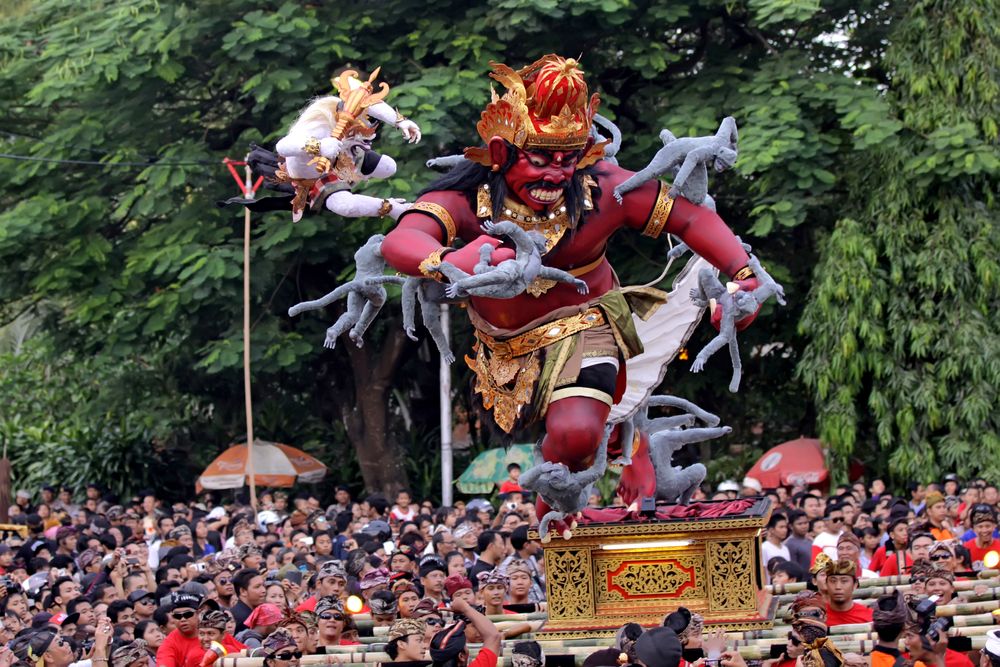
The quiet of Nyepi Day comes after a high-energy evening. On the night before, villages across Bali hold lively Ogoh Ogoh parades, where handmade caricatures are carried through village streets.
For visitors, it is an unforgettable cultural experience and a rare opportunity to witness Bali in complete stillness.
What is Nyepi Day?
Nyepi is the Balinese Hindu New Year, based on the Saka calendar. The date changes each year depending on the lunar cycle and always falls on a new moon.
From 6am on Nyepi morning until 6am the following day, Bali Island observes strict rules designed to create a day of total quiet and self reflection.
The four main restrictions observed during Nyepi are:
- No fire or bright lights (Amati Geni) – lights should be kept minimal
- No work (Amati Karya)
- No entertainment or pleasure (Amati Lelanguan)
- No travel (Amati Lelungan)
The only people permitted outside are Pecalang (traditional village security officers) who patrol the streets to ensure the rules are respected.
Although Nyepi is a Hindu holiday, tourists and non Hindu residents must also follow the restrictions.
Rituals Before Nyepi
Nyepi is the culmination of several important ceremonies that take place in the days leading up to the Day of Silence.
Melasti – The Purification Ceremony
Several days before Nyepi, villages across Bali perform Melasti, a purification ritual where sacred temple objects are carried in large processions to the sea or nearby rivers.
The ceremonies symbolise cleansing the island and its people from spiritual impurities before the new year begins. Seeing hundreds of Balinese dressed in traditional white clothing walking together toward the ocean is a spectacular sight.
You can learn more about Melasti Day that takes place across Bali.
Ogoh Ogoh Parade – Nyepi Eve
On the evening before Nyepi, villages across Bali hold vibrant Ogoh Ogoh parades.
Ogoh Ogoh are large papier-mâché statues representing evil spirits or negative forces that disturb human life. These colourful monsters are carried through village streets, accompanied by live gamelan music performed by young males and traditional Balinese dancing performed by young females.
If you are visiting Bali during this time, it is worth exploring the streets during the day on Nyepi Eve to see the final preparations and the impressive statues up close. Then return in the evening to watch the parades.
Villages outside the main tourist areas can sometimes be even more exciting, as locals celebrate without the pressure of performing for visitors.
What Happens on Nyepi Day?
From 6am on Nyepi morning, the island enters complete silence.
No one is allowed to leave their homes or hotels, and beaches and streets remain empty. Inside resorts and hotels guests can still enjoy facilities quietly, but outdoor activity is not permitted.
Many hotels create special Nyepi Stay Packages, which often include:
- meals throughout the day
- access to resort facilities
- spa discounts or vouchers
- activities for children such as games and movie marathons
If you are staying in a villa or private accommodation, make sure to buy food and drinks in advance, as shops and restaurants begin closing early the day before Nyepi.
The stillness creates an incredibly peaceful atmosphere. At night, with almost no artificial light on the island, the sky becomes perfect for spectacular stargazing.
Plan Your Movements on Nyepi Eve
Most businesses close early on the day before Nyepi, often around lunchtime, as locals return to their villages to prepare for ceremonies.
If you plan to go out to watch the Ogoh Ogoh parades, keep in mind that roads can become crowded or temporarily closed. If you travel to another area, it is best to stay there until around 10pm before returning to your accommodation.
The Day After Nyepi: Ngembak Geni
The day after Nyepi is called Ngembak Geni, which means “relighting the fire”.
After a full day of silence and reflection, families and friends visit one another to ask forgiveness and start the new year with harmony and goodwill.
Activity quickly returns to normal as the island comes back to life.
Ubud Travelers: 10 Local Tips for Experiencing Nyepi in Bali.
- Watch the Melasti purification ceremonies in the days before Nyepi.
- Walk around villages on Nyepi Eve during the day to see the Ogoh Ogoh statues before the parades.
- Return in the evening to enjoy the Ogoh Ogoh processions.
- Bring a fully charged phone to capture unforgettable photos and video.
- Be respectful and courteous to the Balinese people. Allow them to walk and stand in front of you. Many have important duties.
- Restaurants and shops may close one or two days before Nyepi as locals return to their villages. Check with your favorites when they are planning to close.
- Prebook all transport for days required leading up to and after Nyepi Day.
- If needed aim to check in or check out before 8am on Nyepi Eve, as transportation becomes difficult later in the day.
- Try staying in a smaller, more rural village such as Tampaksiring or Sidemen if this is your second or third Nyepi Day.
- Don’t miss the incredible stargazing on Nyepi night with almost zero light pollution.
Frequently Asked Questions About Nyepi Day in Bali.
What date is Nyepi in 2026?
Nyepi in 2026 falls on Thursday March 19, 2026 which is a new moon. All of Bali observes complete silence from 6am to 6am the following day, including airports, roads, and most businesses.
Where should I stay during Nyepi?
During Nyepi, visitors must remain inside their accommodation for the full 24 hours, so choosing the right place is essential.
Many travelers prefer resorts or hotels that offer Nyepi stay packages, which often include meals, quiet activities, and access to facilities like spas or pools. Villas are also an option, but make sure to stock up on food and drinks in advance.
For more planning tips, see our Bali Travel Guide for accommodation, dining, and activity recommendations.
What time do businesses close before Nyepi?
Most businesses in Bali close early on the day before Nyepi, often around midday as locals return to their villages to prepare for the ceremonies.
Restaurants, shops, and markets may begin shutting down even one or two days in advance, especially in smaller villages. Check with your favorite cafes and shops when they will close and for how many days. Minimarts will be open until later Nyepi Eve.
Where can I watch the Ogoh Ogoh parade?
Ogoh Ogoh parades take place across all villages throughout Bali on the evening before Nyepi. The main tourist areas of Seminyak, Legian, Nusa Dua and Ubud will be busy. During the day on Nyepi Eve, you can also explore and see the handmade Ogoh Ogoh statues before they are paraded through the streets.
Check with your accommodation to find the closest parade location within walking distance.
What are the rules for tourists to be followed during Nyepi Day?
On Nyepi, the entire island observes strict rules from 6am until 6am the following day to create a day of total silence and reflection.
- It is most important for tourists to remain inside their accommodation, do not go outside to the street.
- After dark curtains must be closed and light kept to a minimum, so plan for a early dinner.
The only people permitted outside are Pecalang, who patrol the streets to ensure the rules are respected. In cases of medical emergency, necessary services are permitted to operate.
What should I wear to the Ogoh-Ogoh parade?
When attending Ogoh Ogoh parades on Nyepi Eve, it’s important to dress respectfully.
- No swimwear.
- Don’t wear caps or hats that may appear casual or disrespectful.
- Wear modest lightweight clothing.
- Comfortable shoes are recommended if you plan to walk through village streets to view the statues.
- If rain is forecast, pack an umbrella or rain jacket.
If you are lucky enough to be in Bali during the Day of Silence, embrace the experience. Nyepi is a rare moment when an entire island pauses, creating a peaceful atmosphere that cannot be found anywhere else in the world. Can’t make it to Bali for Nyepi this year – don’t worry there are plenty of other cultural and festival celebrations unique to Bali.
This guide was created by the team at Ubud Traveler, a locally based tour company specialising in authentic experiences in Ubud and surrounding areas.
Ready to explore? Browse Our Tours or Contact Us today.
Why Book with Ubud Traveler
- Local Balinese guides with deep cultural knowledge and good English.
- Carefully designed tour itineraries to avoid crowds
- Authentic Balinese Experiences that support local communities
- Activities personally tested for safety and quality
- Friendly service and personalised travel advice. No bots!